
You know you love your cat — but do you know if your cat loves you? Cats show affection in ways that can feel subtle, quiet, or even confusing — especially if you’re used to more obvious signs of love from dogs or people. Recognizing how cats show love starts with understanding their natural tendencies, body language, and daily behaviors. Once you know what to look for, you’ll likely notice signs your cat loves you all around.
What affection looks like in cats
Feline affection isn’t always overt or constant. Instead, it’s often built around trust, safety, and selective social connection. Cats tend to show love through behaviors that signal comfort and familiarity rather than attention-seeking. Here are some of the most common ways cats show affection—and what they actually mean.
Slow blinking
Slow blinking is one of the clearest signs your cat feels relaxed and safe around you. When a cat slowly closes and opens their eyes in your presence, it’s a signal of trust. If you slow blink back and your cat returns the gesture, that’s a shared moment of affection.
Choosing to sit nearby
A cat doesn’t have to be in your lap to show love. Sitting near you is also a meaningful choice. Cats are selective about where they spend their time. In fact, their independence can be one of their most admired qualities. That makes choosing to share space with you a quiet but powerful sign of attachment.
Following routines together
Cats are creatures of habit. If your cat consistently joins you for morning coffee or nighttime TV, that shared routine reflects a bond. These predictable moments help cats feel secure, and participating in them is a form of affection.
Head bumps and cheek rubs
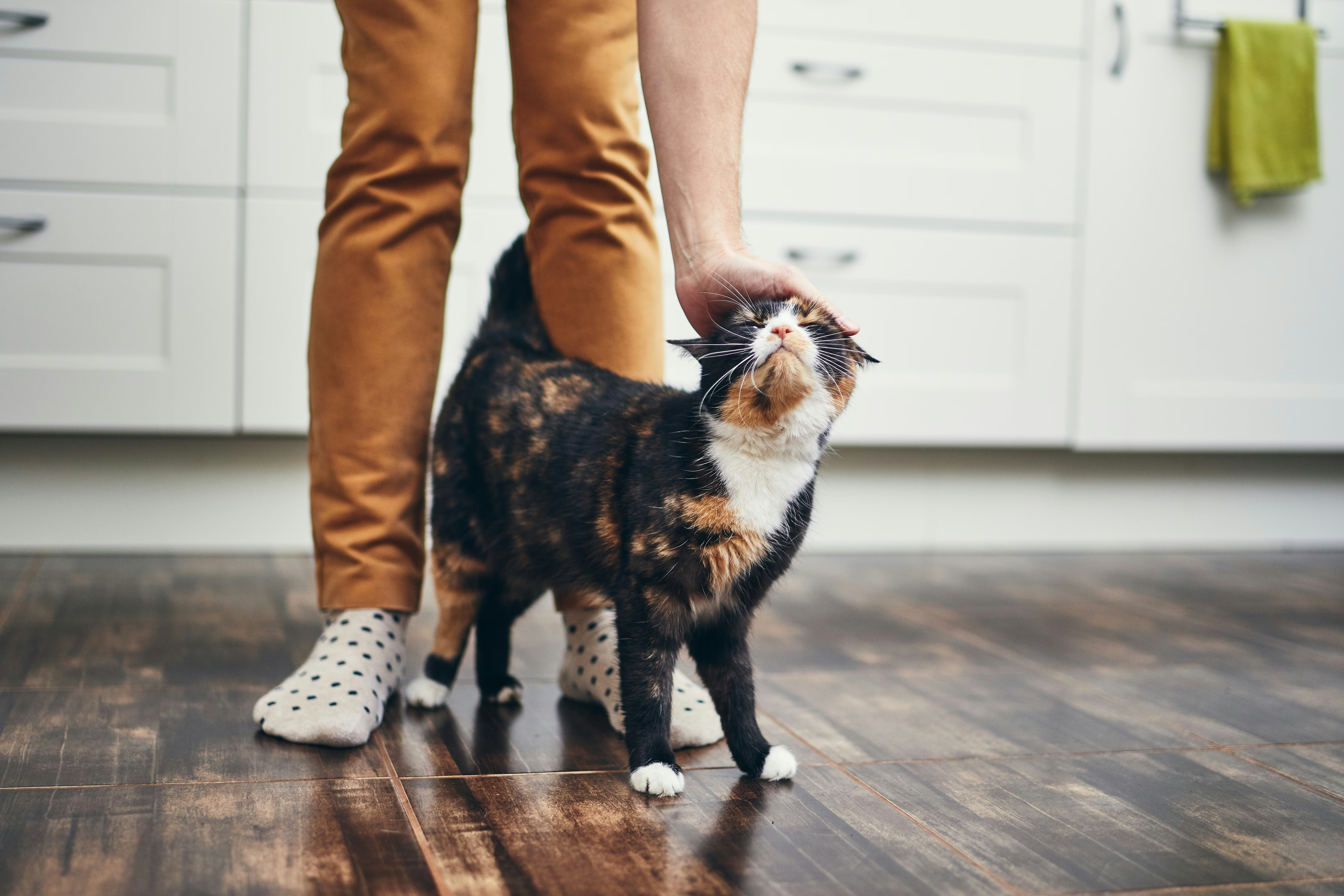
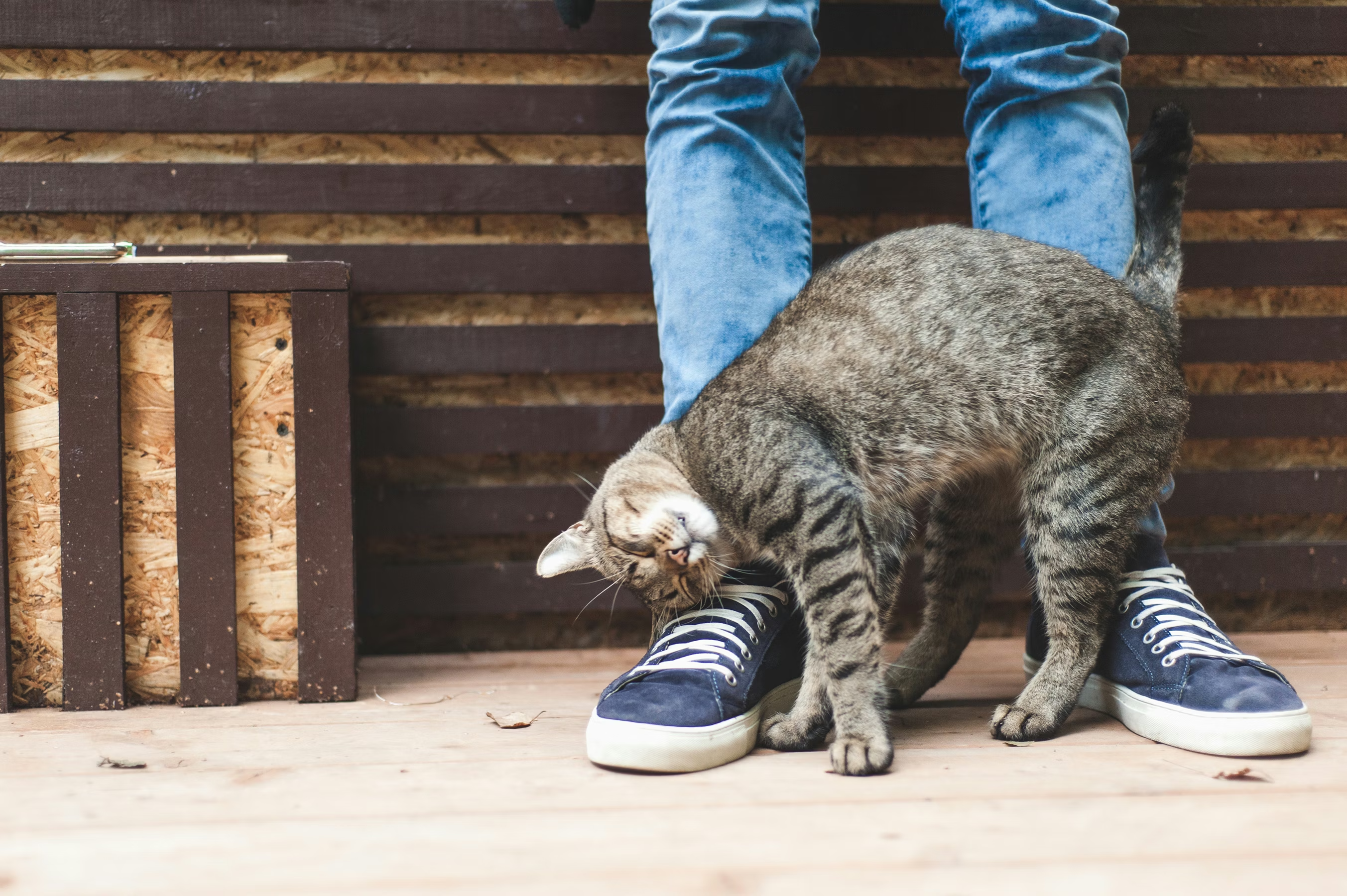
When a cat bumps their head against you or rubs their cheeks on your hand or leg, they’re doing more than being cute. This behavior deposits scent from glands on their face, marking you as familiar and safe. In cat language, that’s a sign of social bonding.
Sleeping near you
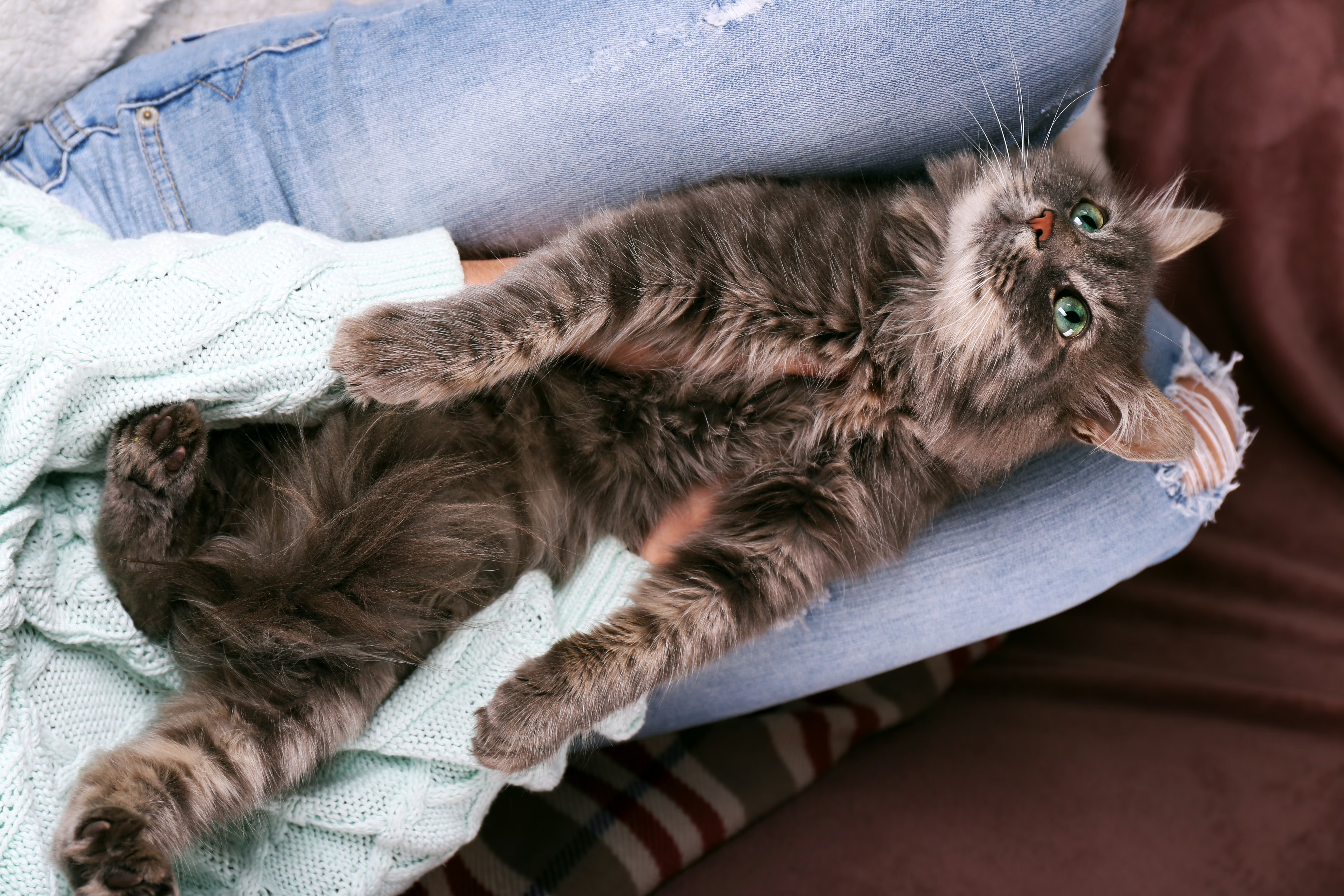
Sleep is a vulnerable state for cats. Choosing to nap next to you—or even in the same room—is a strong indicator of trust. Some cats may sleep at your feet or nearby rather than directly on you, but that close proximity still counts as a sign of love.
Kneading
Kneading is often associated with kittens nursing, but adult cats may knead when they feel relaxed and content. If your cat kneads you, a blanket, or a pillow beside you, it’s often linked to comfort and positive association.
Vocalization and purring
Not all cats are chatty, but many reserve certain sounds just for their favorite humans. Soft trills, chirps, or conversational meows can be signs of affection. Purring, while not always exclusive to happiness, commonly goes hand in hand with calm, positive moments.
Grooming behavior
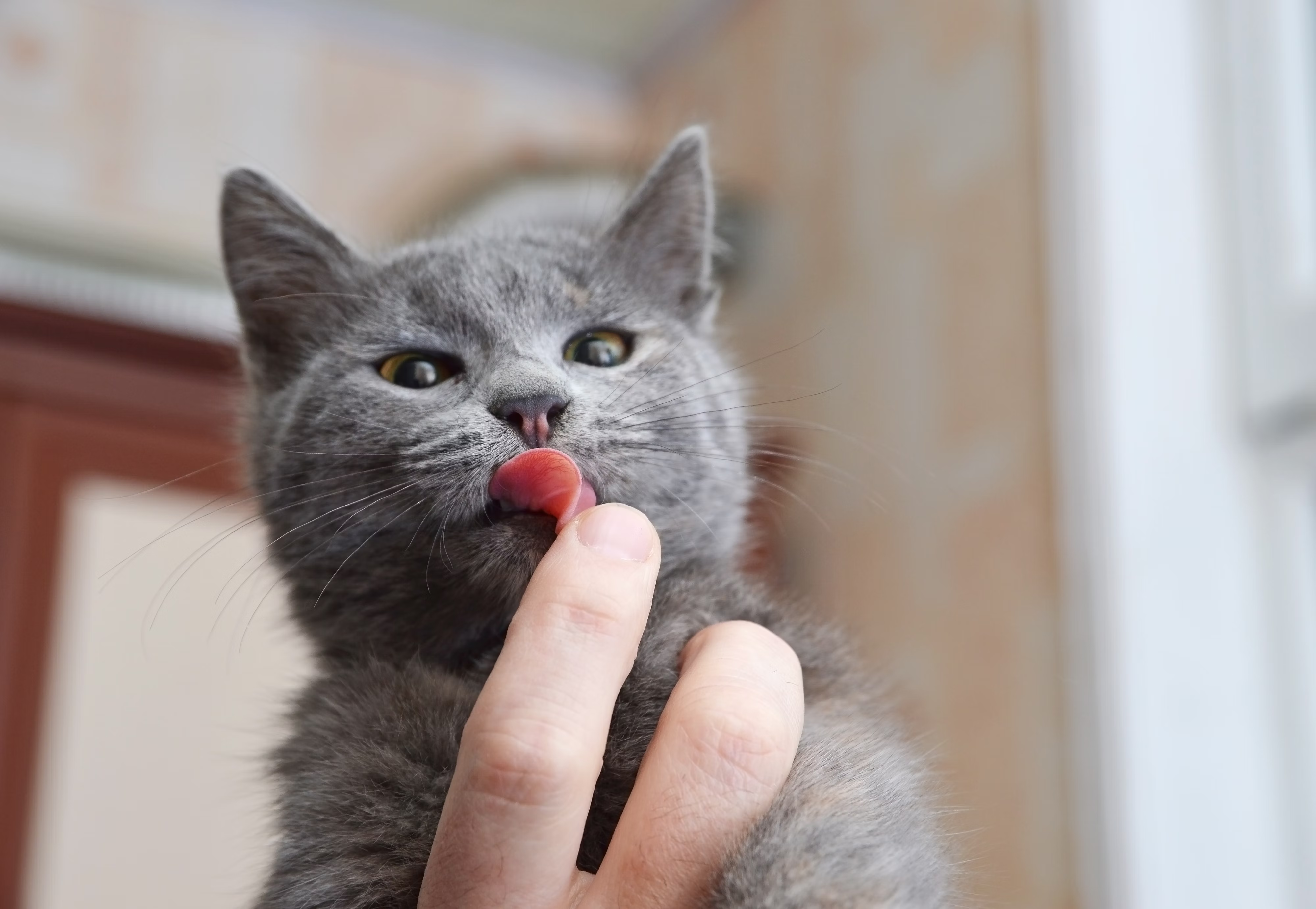
If your cat licks your hand, hair, or even your clothing, they may be engaging in social grooming. In multi-cat households, grooming is a bonding behavior. When directed at a person, it’s often a sign your cat considers you part of their social group.
Play and “gifts”
Play is a social behavior for cats, especially when it’s initiated by them. Bringing you toys—or occasionally less welcome “gifts” they’ve hunted in the yard—can also reflect bonding. From your cat’s perspective, sharing resources or playing together is a form of connection.
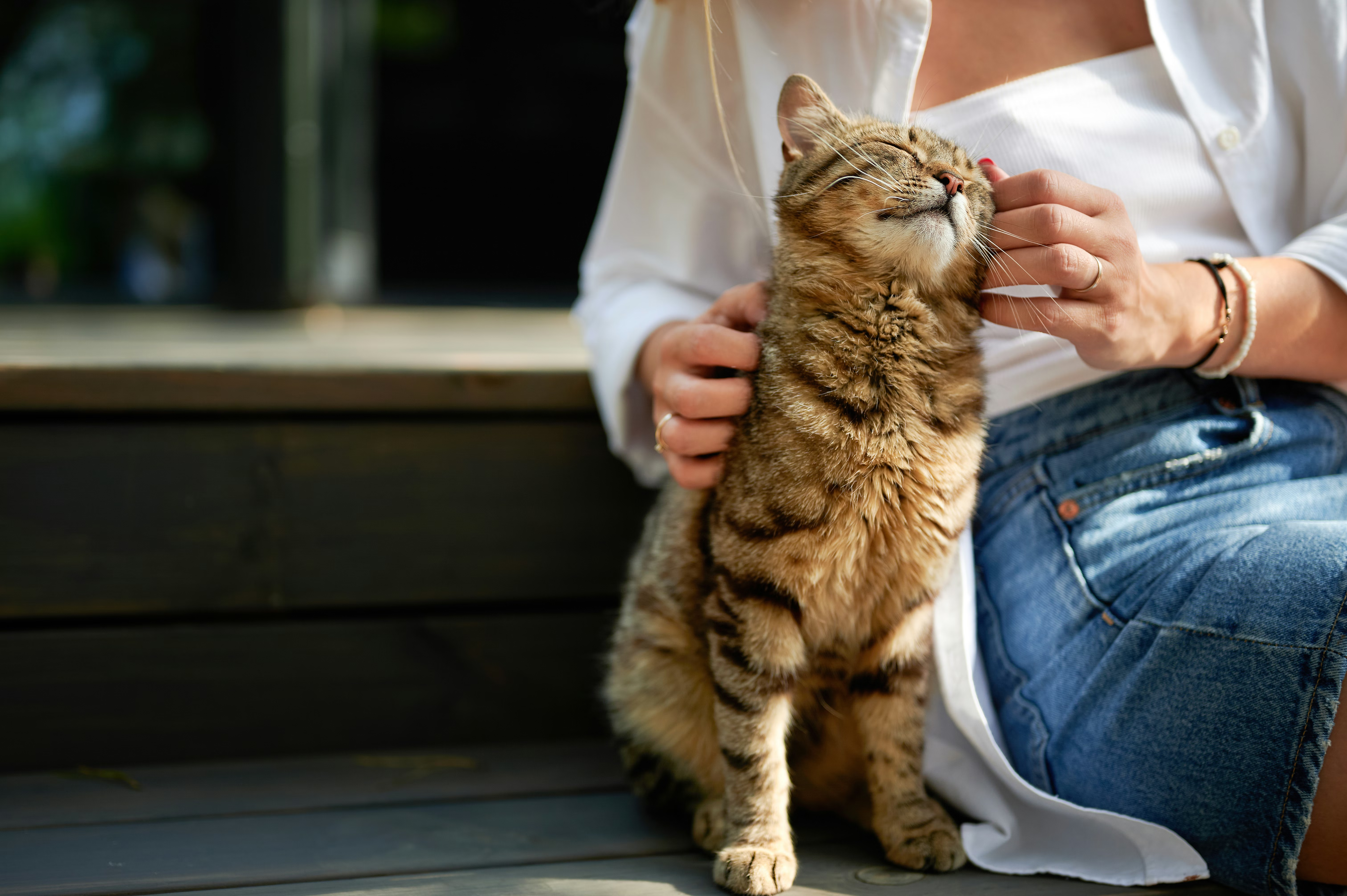
Why cats show love differently
Cats didn’t evolve to rely on social groups in the same way dogs did, and that history still shapes how they express affection today.
Solitary ancestry
Domestic cats descend from largely solitary hunters. While they can form strong social bonds, they don’t depend on constant interaction. As a result, feline affection is often more selective and understated.
Self-sufficiency
Cats are highly capable of meeting their own needs. Because of this independence, affection isn’t about dependence—it’s about preference. When a cat interacts with you, it’s because they want to, not because they need to.
Selective social bonding
Cats tend to form close bonds with a small number of individuals rather than spreading affection widely. If your cat shows you specific behaviors they don’t offer to others, that’s often a sign you are one of their chosen few.
Individual temperament
Just like people, cats have unique personalities. Some are naturally more social and expressive, while others are reserved. Understanding how your individual cat shows affection matters more than comparing them to stereotypes.
Common cat affection styles
While every cat is different, many fall into general patterns when it comes to how they show love. Recognizing your cat’s style can help you better interpret their behavior.
The “velcro” cat
These cats thrive on closeness. They may follow you from room to room, seek frequent physical contact, and vocalize often. Affection is obvious and consistent, and they may become distressed when separated from their favorite person.
The quiet companion
Quiet companions prefer sharing space rather than constant touch. They may sit nearby, sleep close, and appear calm and observant. Their affection is steady but subtle, making it easy to overlook if you’re expecting overt signals.
The lone feline
These cats value autonomy. They initiate interaction on their own terms and may retreat quickly once they’ve had enough. Their affection is real but easily misunderstood, especially if their signals are brief or infrequent.
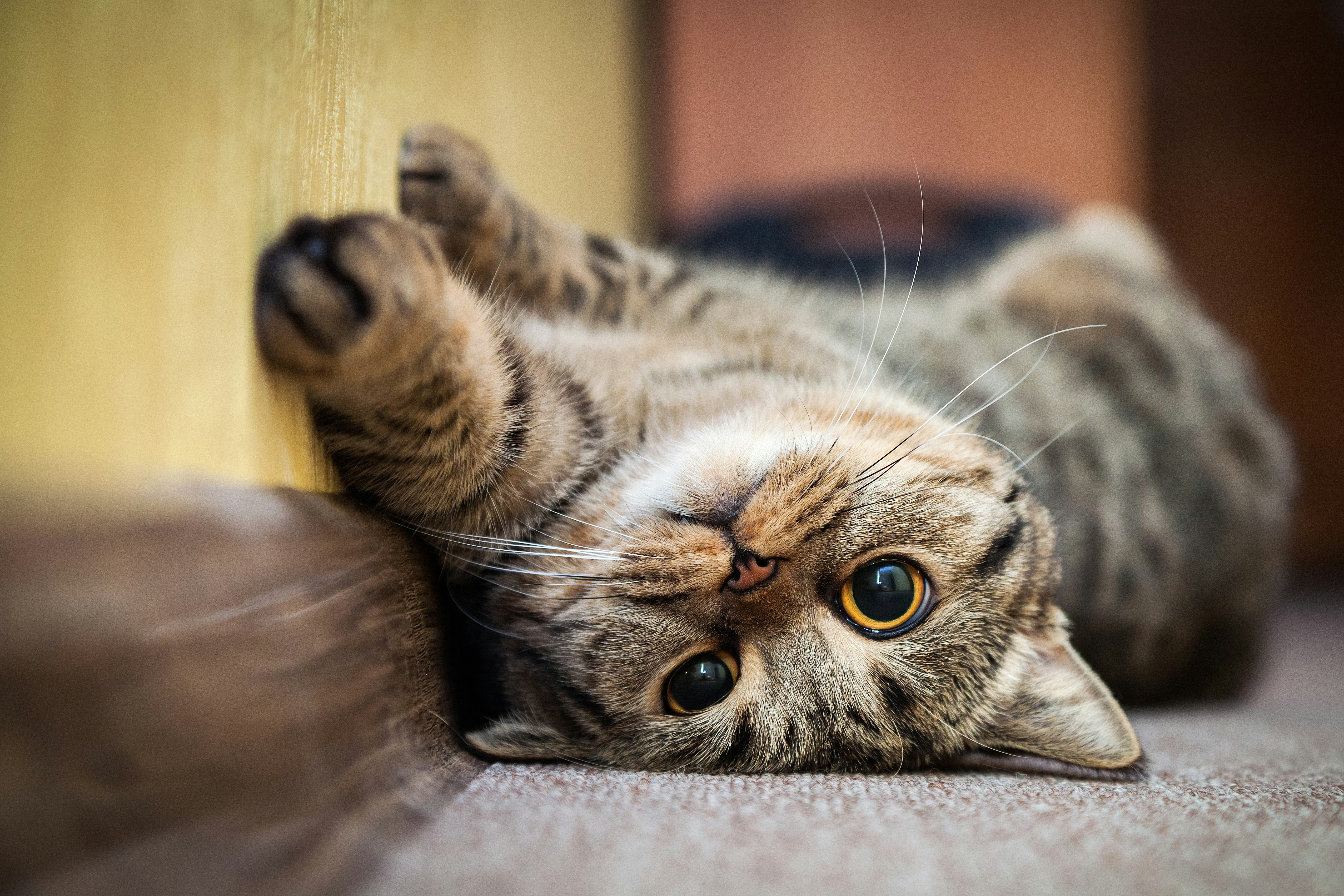
How breed can influence how cats show affection
While environment and individual experience are huge components, breed traits can also influence how cats tend to express affection.
Some breeds are known for being more socially oriented and people-focused, often enjoying interaction and attention. Breeds in this category include Ragdolls, Siamese, Burmese, and Maine Coons. Other breeds — such as Persians, Russian Blues, and British Shorthairs — are more reserved, showing affection in quieter, less physical ways. These are tendencies, not rules, but they can help shape your expectations.
Mixed-breed cats often display a blend of behaviors, reflecting a combination of inherited traits. This variety is one reason why cats from similar backgrounds can still show love in very different ways.
How to strengthen your bond with your cat
Relationships are a two-way street. Showing respect and supporting your cat’s emotional needs can deepen the bond you share. Here are a few ways you can lay the groundwork for a life of love together.
Let your cat initiate interaction
Allowing your cat to approach you helps them feel in control and safe. Responding positively when they seek attention reinforces trust without pressure.
Respect body language
Learning when your cat has had enough is just as important as recognizing affection. Respecting signals like tail flicks, ear changes, or sudden stillness prevents overstimulation and builds your cat’s confidence.
Build predictable routines
Consistent feeding times, play sessions, and rest periods create stability. Cats often bond through reliability, and shared routines help reinforce your role as a source of comfort.
Prioritize enrichment and play
Interactive play supports both physical health and emotional connection. Play mimics natural hunting behavior and strengthens your bond through shared activity.
Red flag: when affection changes
If your cat suddenly becomes less affectionate—or significantly more clingy—it’s worth paying attention. Changes in affection can be linked to pain, illness, stress, or environmental changes. Cats are experts at masking discomfort, so shifts in behavior may be an early signal that something isn’t right.
If changes are sudden, persistent, or paired with other signs like changes in appetite, litter box habits, or energy level, a veterinary check is a smart next step.
Final thoughts
Cats may not always express love in obvious ways, but their affection runs deep. Learning how cats show love—and how your cat shows love—can transform small moments into meaningful connections.
Knowing more about your cat’s background, including their genetic makeup, can add helpful context to their personality, preferences, and social style. When you understand how your cat connects and communicates, it becomes easier to recognize the many ways they show you they care.