Taking your cat to the vet can be a high stress, high drama event for you and your cat. Cats are creatures of habit and and as mid-level solitary predators, react differently to the experience of the vet clinic than dogs. Being placed in a carrier, loaded in the car, and taken to an unfamiliar place is generally not their idea of a good time—and more stress before they arrive at the clinic can increase their exam time, and reinforce negative feelings about vet visits.
Once their stress responses start kicking in, it can make the whole process a struggle, and even compromise the veterinary team’s ability to provide a thorough exam. With a little planning, though, cat vet visits can be calmer, safer, and more productive.
Preparing before the visit
There are several actions you can take in advance to get your cat ready for a trip to the vet.
Choose the right carrier
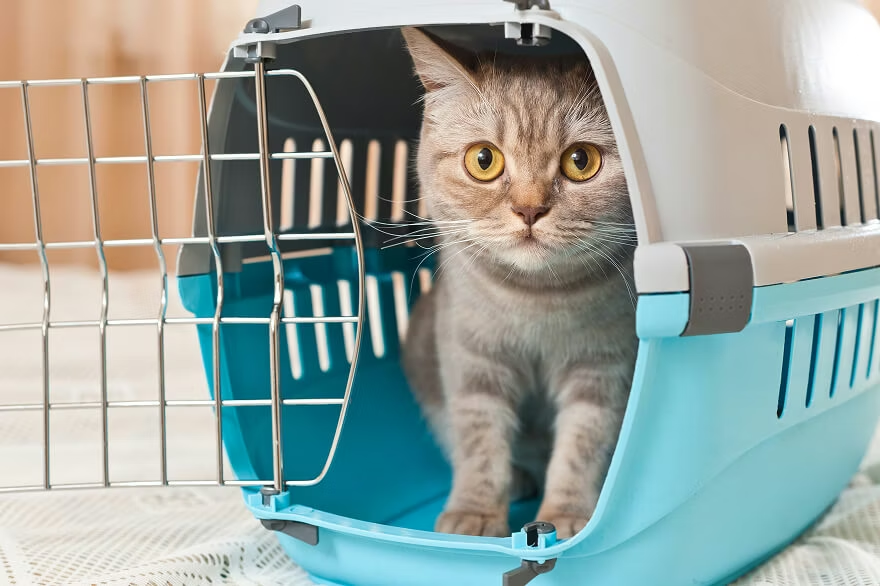
A sturdy, well-ventilated carrier is essential for any trip to the vet. Make sure the carrier is large enough for your cat to stand and turn around comfortably, but not so big that they slide around during travel.
Top-loading or front-and-top-opening carriers with easily removable tops are great. This style enables your cat to stay in their carrier but still be accessible to the veterinary staff—and it offers a sense of protection and familiar scent.
Make the carrier part of everyday life
The first time your cat sees the carrier should not be moments before you need to leave for the vet. In fact, some animal behaviorists view carrier training as a basic part of “kitten training.” Rather than stowing the carrier away in a closet, leave it out in the house with the door open. Add a soft blanket or a favorite cat bed and toss in treats occasionally. This helps your cat see the carrier as a safe resting spot—not a signal that something scary is about to happen.
As your cat gets used to going into the carrier, practice shutting the door for short periods of time. Slowly increase the duration the door is closed as your cat gets more comfortable. You can even practice carrying your cat in the crate from one room to another, or out to the car. The more at ease they are in the carrier, the easier it will be to get them to their veterinary appointment.
For a more in-depth look at how to teach your cat to feel comfortable in a carrier, check out this video from veterinary behaviorist Dr. Jacqui Neilson and this step-by-step guide from Fear Free Happy Homes.
Consider a feline-only or fear-free veterinary clinic
As cats are mid-level predators, they naturally view strange dogs as potential threats to their safety. A feline-only clinic, or a clinic that has cat-only appointment times, helps reduce the smells, noise, and activity associated with dogs—and that can help lower their stress. Additionally, many clinics have cat-only exam rooms with calming pheromone diffusers.
Another way to improve your cat’s vet visit experience is to look for clinics or veterinarians that are fear-free certified. Started in 2016, this certification program trains shelters, veterinarians, and vet staff on how to reduce stress and fear at the veterinary clinic starting at home and extending to handling techniques, equipment, and clinic set-up. They also have free training materials for pet parents, too. For some cats, a fear-free certified veterinarian may prescribe home-administered medications to help calm your cat before they even travel to the vet clinic, and offer tips and training for you as the pet-parent. The goal is to create a seamless, positive experience for you as well.
Gather paperwork and notes ahead of time
If you’re going to a new veterinarian that doesn’t have access to previous records, collect any vaccination history, medical history, and medication lists. Even if you’re returning to the same clinic, it also helps to jot down any changes in behavior, appetite, litter box habits, or energy levels. If you can take videos of changed behavior, that can help, too. These details can be easy to forget once you’re in the exam room, but are critical to your veterinarian providing the best care.
The day of the appointment
Having a plan will help you feel calm and confident—and that energy can transfer to your pet.
Keep things calm before you leave
On the day of your appointment, stick to your cat’s normal routine as much as possible. Avoid loud noises, sudden changes, or last-minute chasing around the house. Calm handling and a quiet environment can set the tone for the entire trip. If your vet has prescribed a sedative or anxiety-reducing medication for the trip, give it at the appropriate time.
Pack a few helpful extras
Bring a towel or small blanket that smells like home to line the carrier or cover it during transport. This can help your cat feel more secure. If your vet has recommended pheromone sprays or calming aids, apply them as directed before you leave the house. If your cat likes music, consider playing their favorite tunes on the drive to the clinic. If your cat isn’t fasting, bringing along some of your cat’s favorite treats like Churu sticks to give during the appointment are also a great idea.
Time your arrival wisely
Arriving a few minutes early gives you time to settle in without feeling rushed. Keeping the carrier covered in the waiting room can reduce visual stimulation from other pets, which often makes cat vet visits less stressful. Better yet, ask if you can wait in the car with your cat and have a vet tech come get you when it’s time for your appointment to begin.
During and after the appointment
Know what to expect at the vet
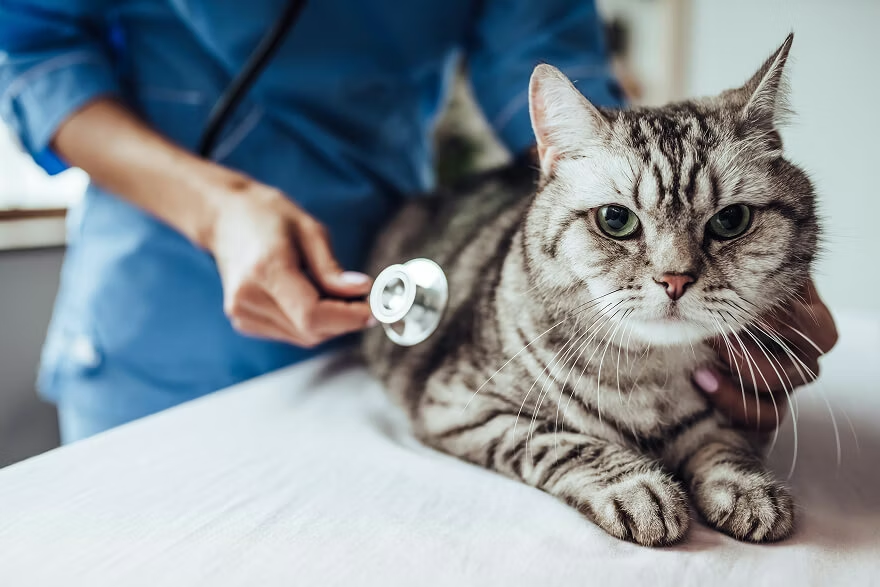
A typical cat vet check up includes a physical exam, weight check, and discussion of diet, behavior, and preventive care. Your veterinarian may also recommend vaccines, lab work, or parasite prevention based on your cat’s age, health, and lifestyle.
Communicate clearly with your vet
Share your notes about signs of illness or behavior changes. Details about when an issue started, how often it happens, and whether it’s getting better or worse can help your vet make more accurate recommendations. Remember, cats are good at hiding illness or discomfort, so even minor changes are worth mentioning.
Support your cat at home afterward
When you get home from the clinic, give your cat a quiet space to decompress. Some cats may hide for a few hours, while others bounce back quickly. Follow any post-visit instructions closely, including medication schedules or activity restrictions, and contact your veterinarian if you notice anything unusual.
Final thoughts
Going to the vet will probably never be your cat’s favorite activity, but a little preparation can make a meaningful difference in their comfort level. From helping your cat feel more at ease in a carrier to knowing what to expect during a cat vet check-up, small steps can reduce stress and make it easier for the veterinary team to do their jobs. With patience and perseverance, routine care can feel more manageable for you and your cat.